Support for Life With a Chronic Illness or Cancer Diagnosis
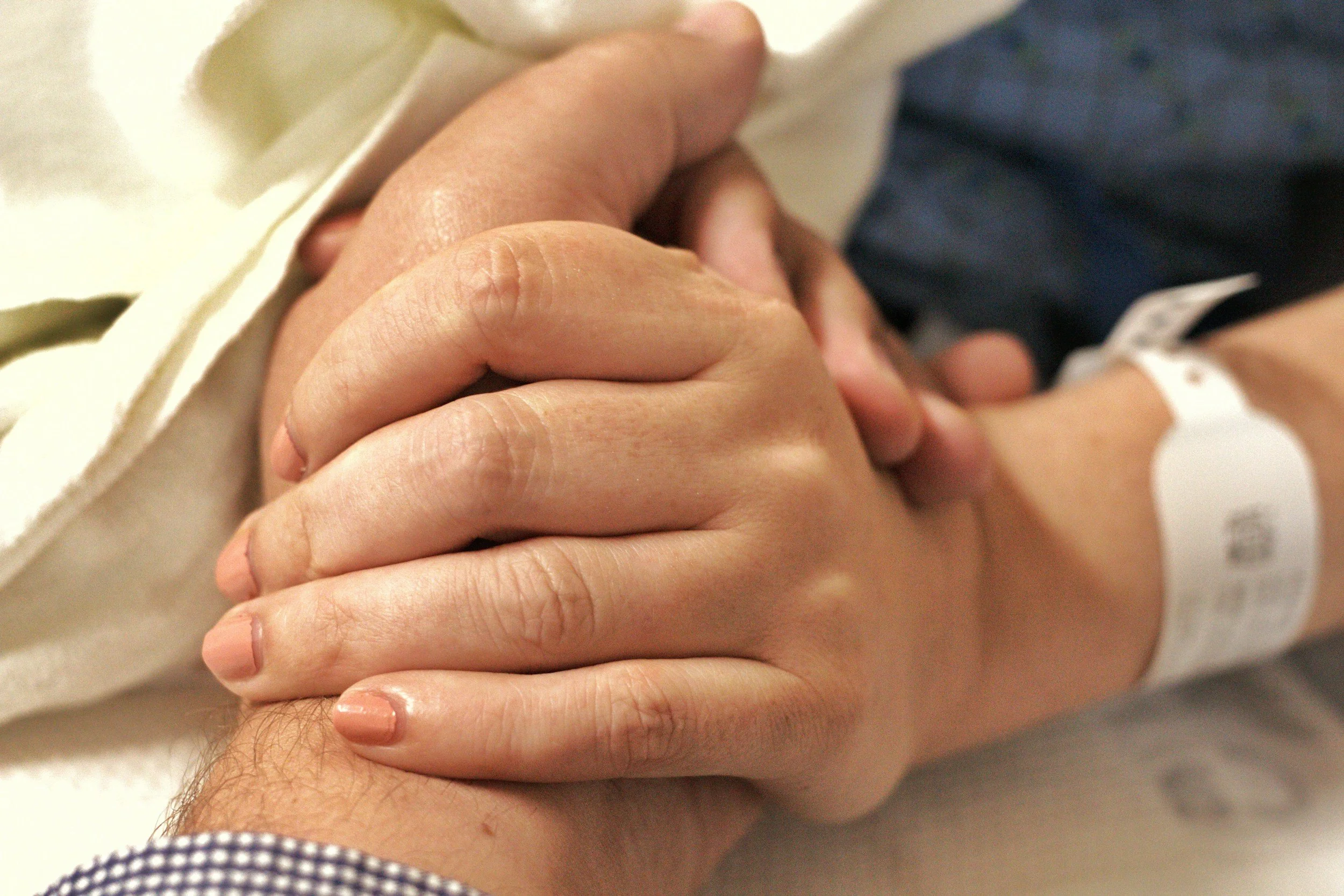
CHRONIC ILLNESS & CANCER THERAPY IN DALLAS AND VIRTUALLY THROUGHOUT TEXAS
A diagnosis doesn’t just change your body. It changes your relationship to your future, your identity, and the people around.
I work with people navigating chronic illness or a cancer diagnosis, whether newly diagnosed, mid-treatment, in remission, or supporting a loved one through it.
Together, we hold space for the medical reality alongside the emotional weight that often goes unaddressed.
You can expect a space to process fear, grief, and identity shifts without needing to perform strength the whole time.
You might be recognize this:
Feeling like your body is unpredictable or working against you
• Grieving the life or plans you had before the diagnosis
• Exhaustion from constantly managing appointments, symptoms, or other people's reactions
• Pressure to stay positive for everyone else, with nowhere to put the fear, anger, or sadness underneath it
How I Can Help
Therapy gives you a place to process the fear, grief, and identity shifts that come with illness. Together, we look at what's changed physically, emotionally, and in how you see yourself, without rushing you toward acceptance before you're ready.
As we work through the practical and emotional weight of your diagnosis, you'll build coping tools for the day-to-day, and make space for the bigger questions illness brings up about who you are and what matters.
Over time, you'll feel more equipped to carry what illness has asked of you, while still holding onto the parts of yourself that exist outside of it.

Frequently Asked Questions
-
Living with illness often means adjusting to a life that looks different than you planned.
I most often draw from:
Acceptance and Commitment Therapy (ACT): Helps you build a life with meaning and purpose even when illness limits control over your body or future — focusing on values-based action rather than "fixing" or eliminating distress.
Narrative Therapy: Creates space to tell the story of your illness in your own words, separating your identity from the diagnosis so illness isn't the only thing defining who you are.
Family Systems: Looks at how illness affects the whole family unit — shifting roles, communication strain, and caregiving dynamics — rather than treating the diagnosed person in isolation.
-
I work with clients navigating any chronic or terminal illness, from a new cancer diagnosis to conditions that have been part of your life for years. This can include coping with a diagnosis, treatment and its side effects, uncertainty about the future, or the ways illness changes your relationships, work, or sense of identity.
-
There's overlap, since illness often brings its own kind of grief. This page focuses specifically on the experience of living with illness — the medical, practical, and identity-related pieces — while my grief and loss page focuses more broadly on loss of any kind, including anticipatory grief. If you're not sure which fits, that's a great question to bring to your free consultation.
-
Yes, caregivers carry a real weight too, and I welcome working with partners, parents, or family members navigating a loved one's illness alongside their own needs.
-
Yes, sessions are available in-person in Dallas or via telehealth across Texas.
-
Yes, I provide affirming, judgment-free care for LGBTQIA+ individuals and their identities.
-
Yes, if you'd like it to be. Illness can bring up family expectations, cultural or religious beliefs about illness and caregiving, and community context, and I bring that lens into our work together when it's relevant to you.
-
Yes, therapy isn't only for when there's a cure in sight. Whether you're adjusting to a new diagnosis, living with a condition long-term, or facing a terminal illness, our work together can focus on what still feels meaningful, how to navigate uncertainty, and how to carry the hard parts without carrying them alone.
-
Yes, when it's helpful and with your consent, I'm glad to collaborate with your medical team, whether that's your oncologist, primary care provider, or other specialists. Illness often involves multiple people caring for you, and I want our work together to support, not duplicate, what's already happening on the medical side.
-
Support groups can be valuable for connecting with others who understand what you're going through, but individual therapy offers a space that's entirely yours, at your own pace, to go deeper into things you may not feel ready to share in a group setting. Some clients find value in both.
-
That's okay. You don't need to have the words for it, or even be ready to talk about it directly, before reaching out. We can start wherever you are, and let the pace of our conversations follow your lead rather than a set agenda.
-
There's no set timeline. Some clients come in around a specific transition, like a new diagnosis or a change in treatment, and find a few months is enough. Others stay in therapy longer as illness continues to shift and new things come up. We'll check in regularly and adjust as your needs change.
-
During my graduate clinical training, I spent a year and a half at The Center for Cancer and Blood Disorders, where I worked with individuals, couples, families, and groups, as well as older adults, across every stage of the cancer experience. That included new diagnoses, treatment, remission, and grief, along with the loved ones walking alongside them. I'm comfortable with the fear, uncertainty, and hard conversations that can come with illness, and you won't need to explain the basics or soften things for me. Our work together can go wherever you need it to.
Contact
Ready to Get Started?
Fill out the inquiry form or call or text me at 214-494-0054. I’ll be in touch within 24 hours to help you schedule an intake session.
Explore More About Chronic Illness and Cancer
A few helpful articles to support you on your journey.
I Want You to Know:
You're allowed to be more than your diagnosis, and also allowed to struggle with it. Let's find a way through this together.

Ready to get started?
You are more than your diagnosis.
GET STARTED
GET STARTED